




 Global Finds
  Quick Commerce
  Daily Bazar
  Electronics & Appliances
  Mother, Baby & Toys
  Beauty
  Sports
  Automotive
  Stationery, Books & Music
 _20.png) Fashion Luxe
Fashion Luxe  Jersey
  Sports Shoes
  Fashion
 _20.jpeg) Home
Home  Garden & Pet Care
  Special Weekly Offer
  Grocery
  Global Finds
  Quick Commerce
  Daily Bazar
  Electronics & Appliances
  Mother, Baby & Toys
  Beauty
  Sports
  Automotive
  Stationery, Books & Music
 _20.png) Fashion Luxe
Fashion Luxe  Jersey
  Sports Shoes
  Fashion
 _20.jpeg) Home
Home  Garden & Pet Care
  Special Weekly Offer
  Grocery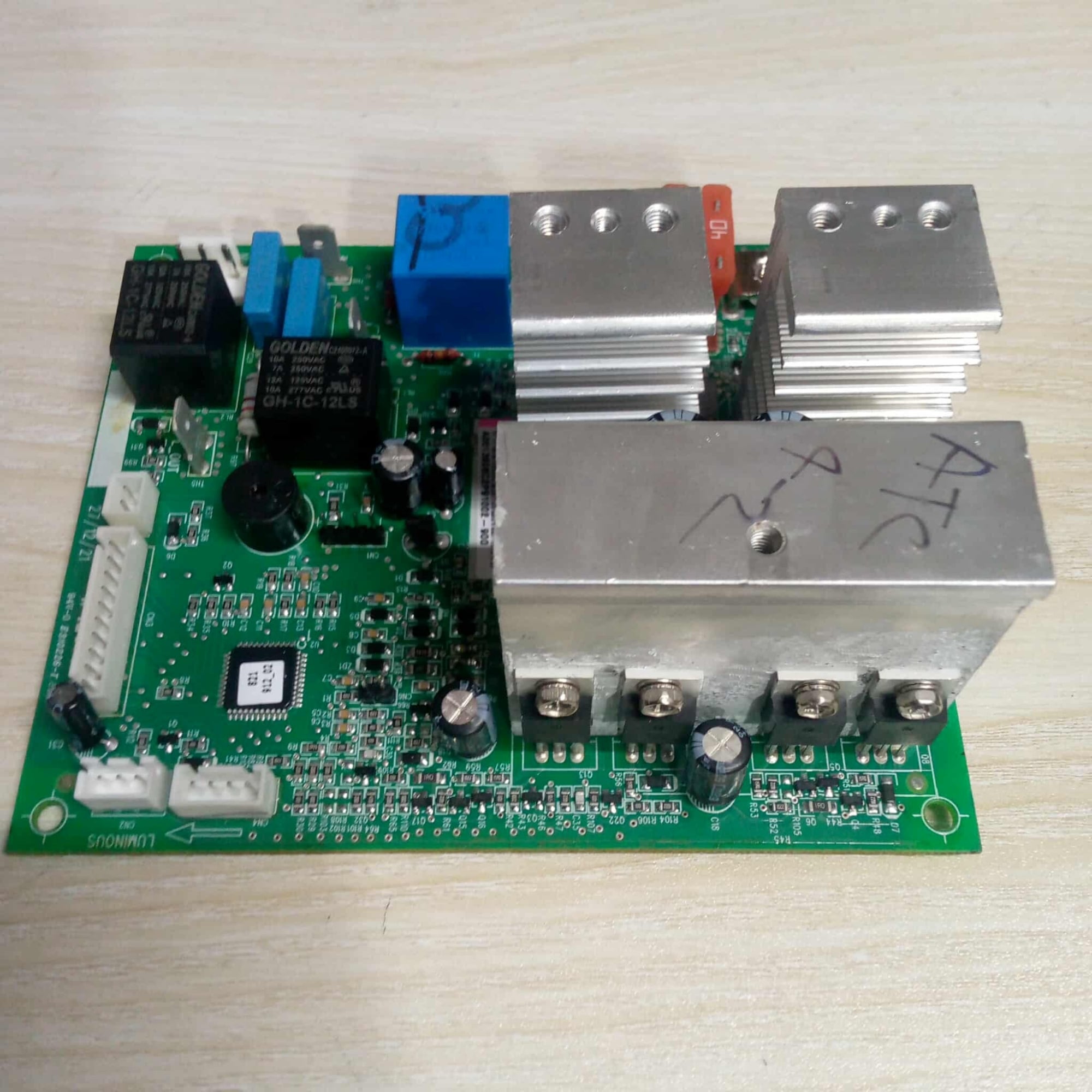
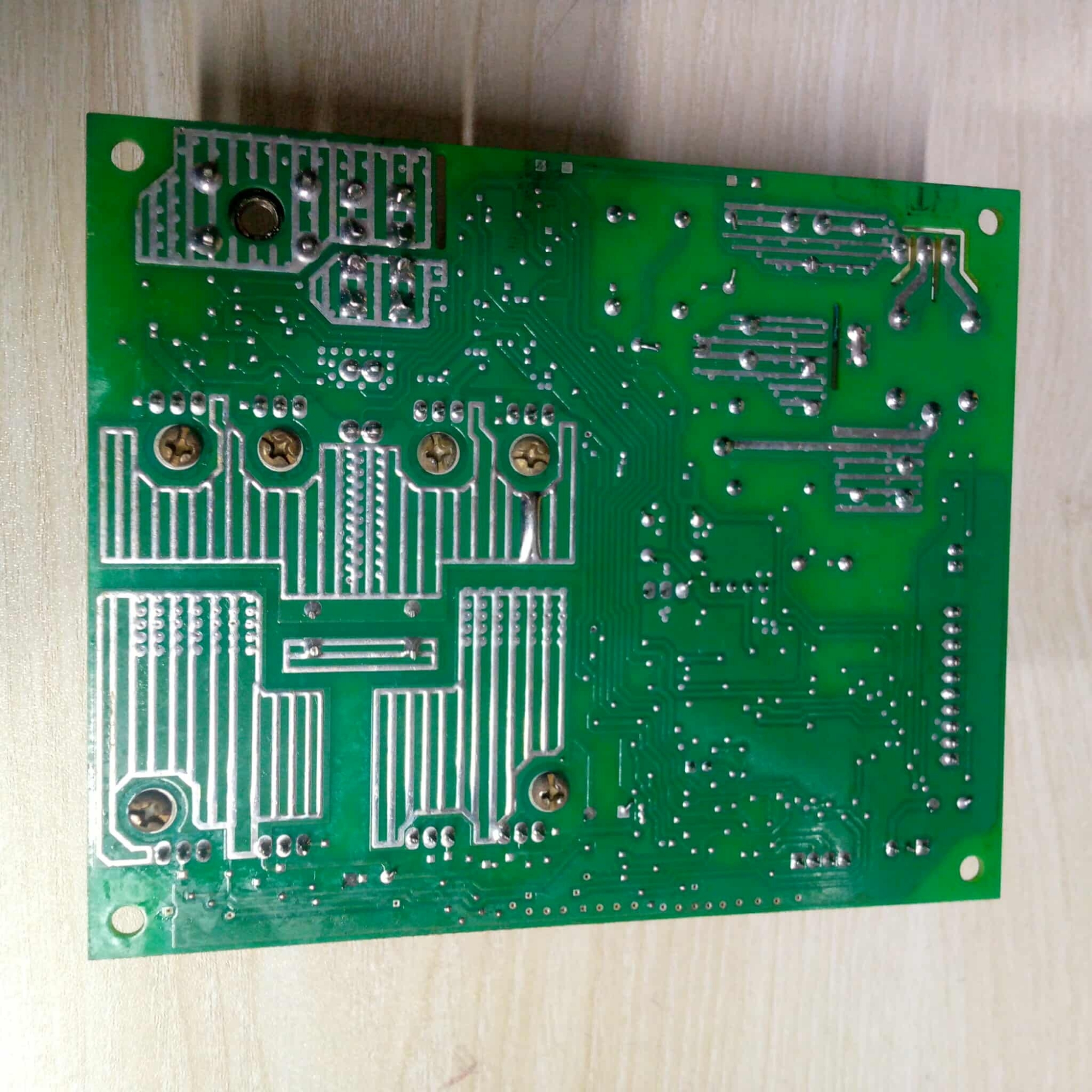
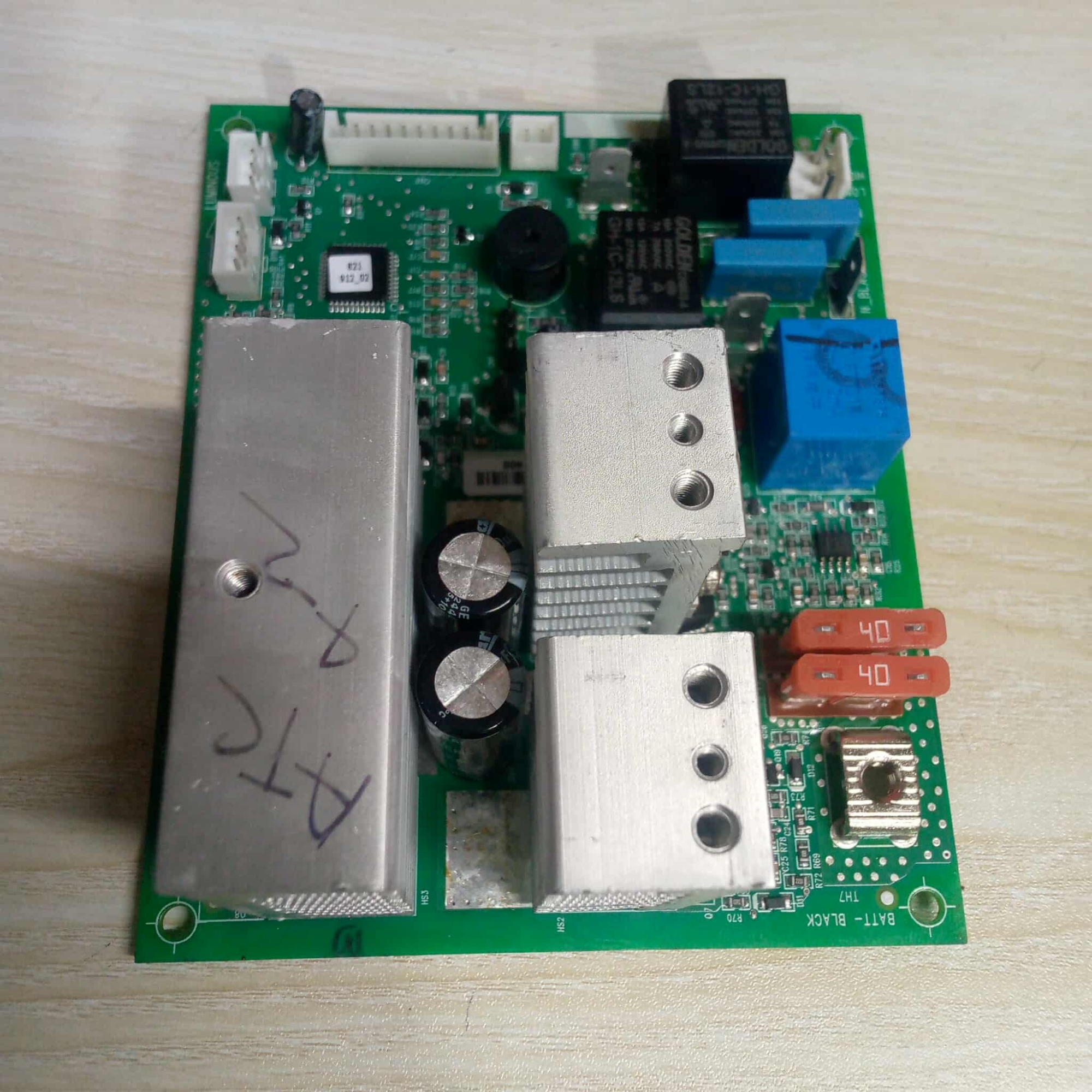
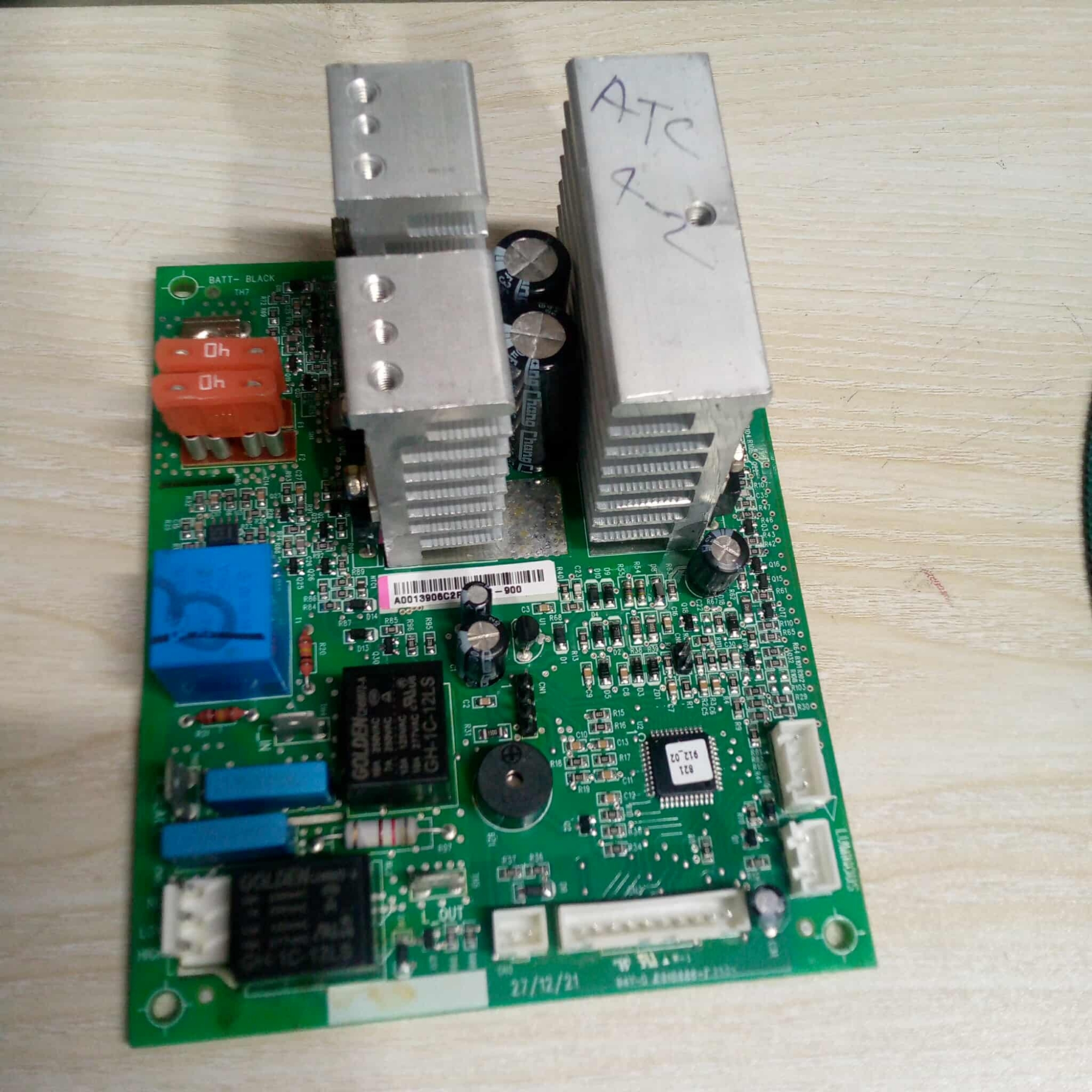
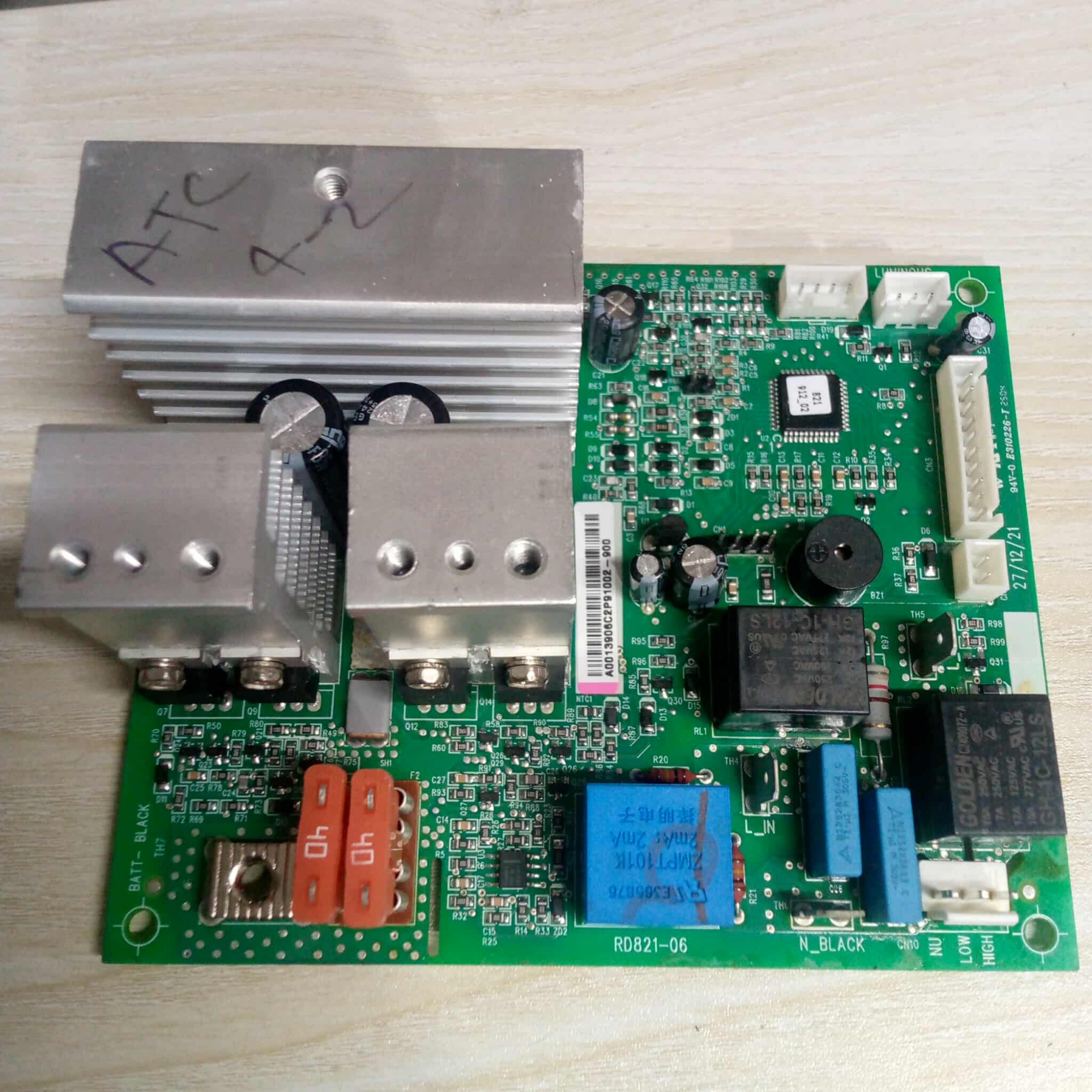
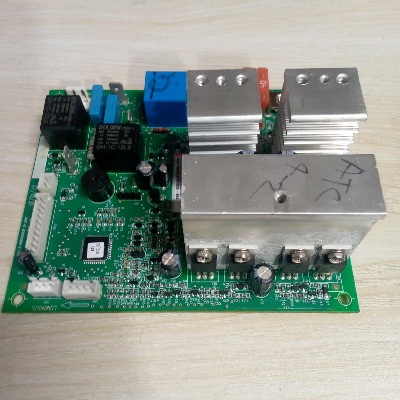
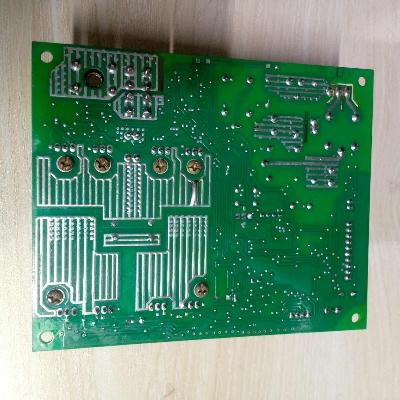
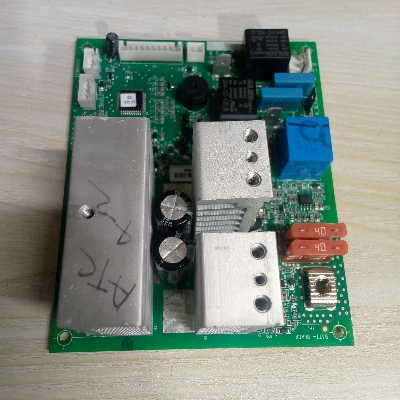
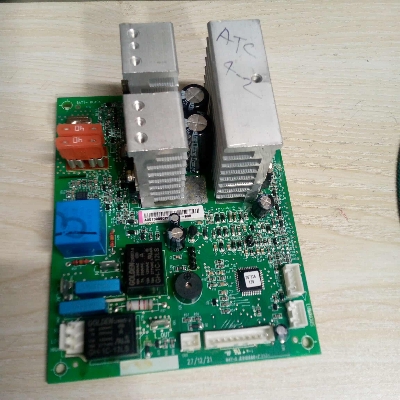
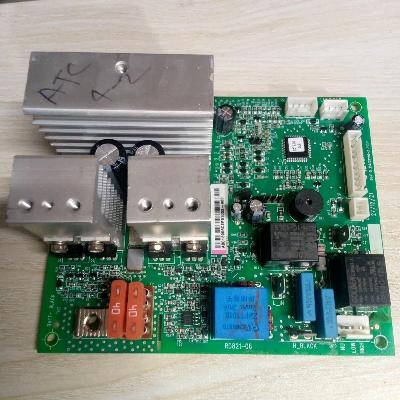
Luminous EcoWatt Neo 12V 1050VA IPS, but I was able to gather a lot of technical details and what is known about its internal design/features. If you like, I can try to sketch a block‑diagram based on available info. For now, here are its known electrical and circuit‑related parameters & functional blocks:
Known Specifications / Features
Expected / Inferred Circuit / Internal Blocks
Based on the above specs, and common inverter/IPS design practice, this unit likely consists of the following internal blocks:
- AC Input / Mains Supply Stage
- Mains input filter & surge protection
- Voltage sense circuit: to monitor mains voltage to decide when to switch to inverter or battery/charging mode
- Battery & Charging Circuit
- Battery charger: likely a multi‑stage charger (bulk / absorption / float) because of “3‑stage charging” in some models. powersavebd.com+1
- Current limiting & overcharge cutoff
- Low voltage cut-off (to protect battery)
- Inverter Stage
- DC‑DC conversion: from 12V battery to higher DC (or through an intermediate stage)
- Transformer (or transformerless design) raising DC to AC high voltage (≈230V)
- Oscillator / switching transistors (MOSFETs or IGBTs), to generate square or modified waveform as per design
- Control / Logic
- Microprocessor or microcontroller (an “advanced microprocessor design” is mentioned) to manage switching, mode selection (Eco/UPS), battery charging logic, protection features. techxzon.com+1
- Possibly LEDs or status LEDs + alarms for overload, low battery etc
- Output Stage & Filtering
- For square wave or modified wave, filtering is minimal; may have some LC filters to suppress high switching noise
- Overload detection & protection (circuit to shut down or limit output if load too large)
- Thermal Management
- Heat sinks for switching devices, battery charging MOSFETs etc
- Likely a fan or vents; sensors for over temperature shutdown
- Switch‑Over / Bypass / UPS Mode
- Detection of mains failure (voltage drop or interruption) → fast switch to battery/inverter output (~<20ms)
- When mains returns, re‑charge battery, and switch input back to mains powering + charging mode
What Is Not Known / Unclear
- Exact circuit schematic: transistor types, transformer specs, capacitor sizes etc.
- Whether there is an output transformer (for isolation) or if it’s non‑isolated.
- The exact harmonic distortion, efficiency under different loads.
- The component layout, PCB design.

Customer Questions and answers :
Login to ask a question
